
Ford Service Tips for Virginia Drivers
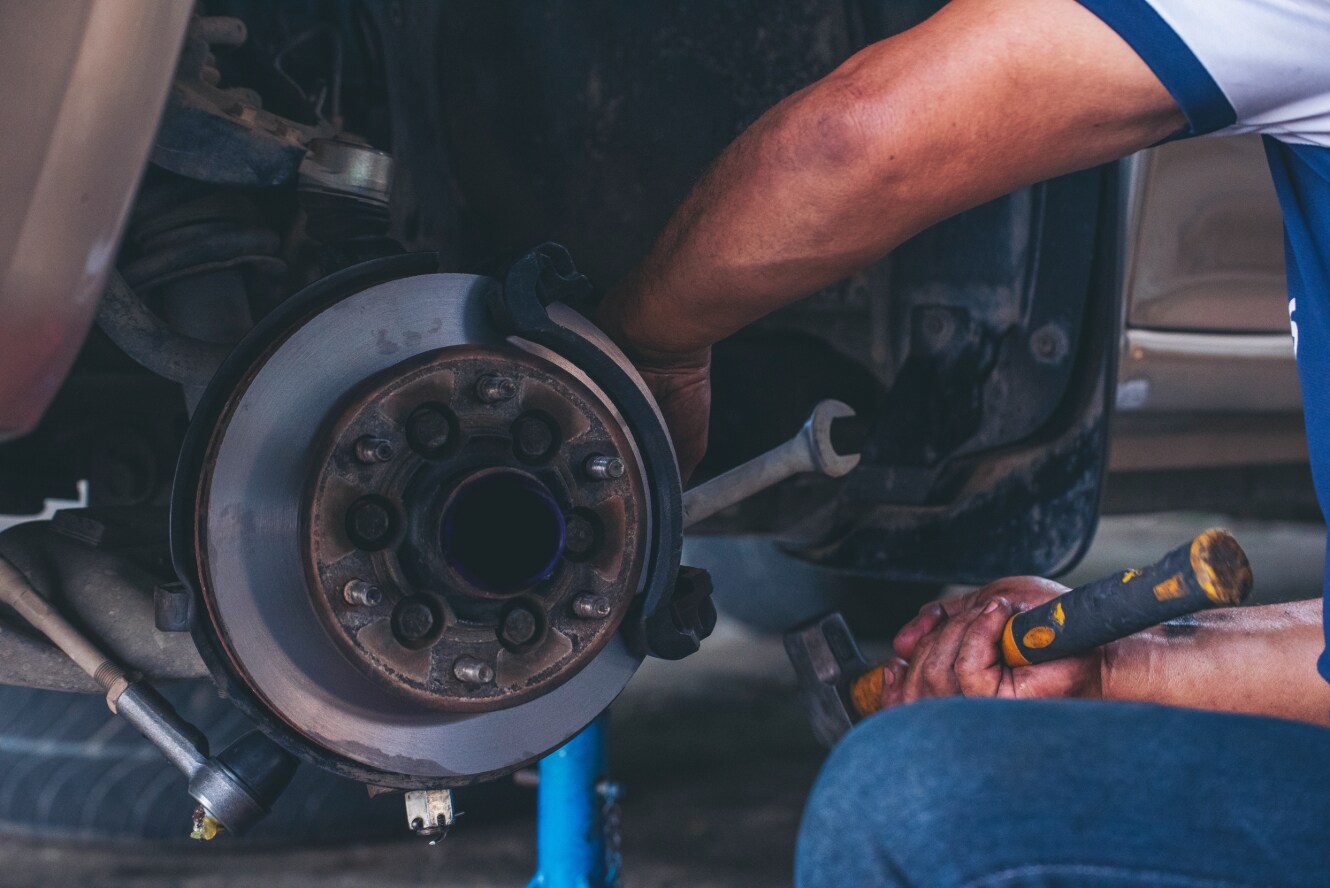
Learn More About Ford Maintenance in Manassas, VA
The most essential Ford service tips for Virginia drivers focus on regular vehicle maintenance to ensure peak performance for as long as possible. Following Ford's scheduled maintenance guidelines every 7,500 to 10,000 miles prevents premature mechanical wear caused by regional humidity, winter road treatments, and heavy stop-and-go commuting, and our team at Ourisman Ford of Manassas is fully prepared to take you through it. Visit our Ford service center in Manassas, VA to get the information you need.
What is my Ford Service Schedule?
7,500 to 10,000 Miles
Ford owners should schedule routine maintenance every 7,500 to 10,000 miles or every 6 to 12 months, guided by the onboard Intelligent Oil-Life Monitor. Vehicles operated under severe conditions, such as frequent short trips, extended idling, heavy towing, or continuous stop-and-go traffic, require shorter service intervals closer to 5,000 to 7,500 miles. A standard routine service appointment combines multiple preventative maintenance tasks into a single visit to keep your vehicle operating efficiently, such as:
- Engine oil drained and refilled with approved Motorcraft synthetic blend or full synthetic oil.
- OEM Motorcraft oil filter replacement to maintain proper oil filtration and pressure.
- Four-wheel tire rotation to ensure balanced tread wear across all positions.
- Comprehensive multi-point inspection covering brake linings, steering links, suspension bushings, drive belts, and fluid levels.
30,000 Miles
A Ford 30,000-mile major service interval includes a comprehensive examination of your vehicle's systems, while also replacing fluids and filters. This mileage landmark transitions your vehicle from initial break-in care into long-term mechanical preservation, helping to maintain your vehicle's fuel economy and prevent any minor issues spiraling into expensive component replacements. Some key wear systems as a part of this milestone to check out include:
- Brake System: Full caliper, pad, and rotor measurement, alongside a complete check of rubber brake hoses and fluid clarity.
- Cooling System: Inspection of radiator hoses, coolant strength, and expansion tank connections.
- Drive Belts and Hoses: Tension check and visual audit for surface cracking or wear on accessory drive belts.
- Suspension and Steering: Examination of ball joints, tie rod ends, control arm bushings, and shock absorber seals for leaks or looseness.
- Drivetrain Inspection: Checking differential fluid levels and transfer case fluid on four-wheel-drive trucks like the 2026 Ford F-150 XLT equipped with the 3.5L engine.
Contact
Ourisman Ford of Manassas
8820 Centreville Rd
Manassas, VA 20110
- Sales: 703-368-3184
- Service: 703-686-8918
- Parts: 703-368-3480
What are Virginia State Safety Inspection Requirements for Ford Vehicles?
Virginia state law requires all registered passenger motor vehicles to pass an annual safety inspection verifying that essential safety mechanisms meet Commonwealth operational standards. The safety inspection evaluates nineteen distinct system areas, including braking performance, lighting equipment, steering mechanisms, suspension integrity, glass, wipers, mirror alignment, exhaust emissions hardware, and seatbelt assemblies.
When preparing for an annual inspection visit, knowing which specific items technicians inspect helps prevent unexpected rejections, with the established state standards being the following:
- Brake System: Minimum brake pad thickness, rotor surface condition, emergency brake retention, and hydraulic line security.
- Tires and Wheels: Tread depth measuring at least 2/32 of an inch, clean sidewalls free of visible cords or bulges, and structural wheel integrity.
- Lights and Signals: Proper operation of headlights, high beams, brake lights, turn signals, hazard flashers, license plate lights, and side reflectors.
- Steering and Suspension: Absence of excessive play in tie rods, steering gear mounting, wheel bearings, springs, and shock absorbers.
- Glass and Wipers: Cracks or chips within the driver's direct line of sight, functional windshield washer pumps, and pliable wiper blades.
- Exhaust System: Intact manifold, pipes, catalytic converter, and muffler without audible gas leaks or fumes entering the cabin.
Frequently Asked Questions About Ford Service and Maintenance
Schedule Ford Service Near Me
In order to keep your vehicle in tip-top shape, schedule an appointment at our Ford service center in Manassas, VA, also serving the Woodbridge and Fairfax areas. If you have any other questions about maintenance, don't hesitate to contact us online at Ourisman Ford of Manassas.